
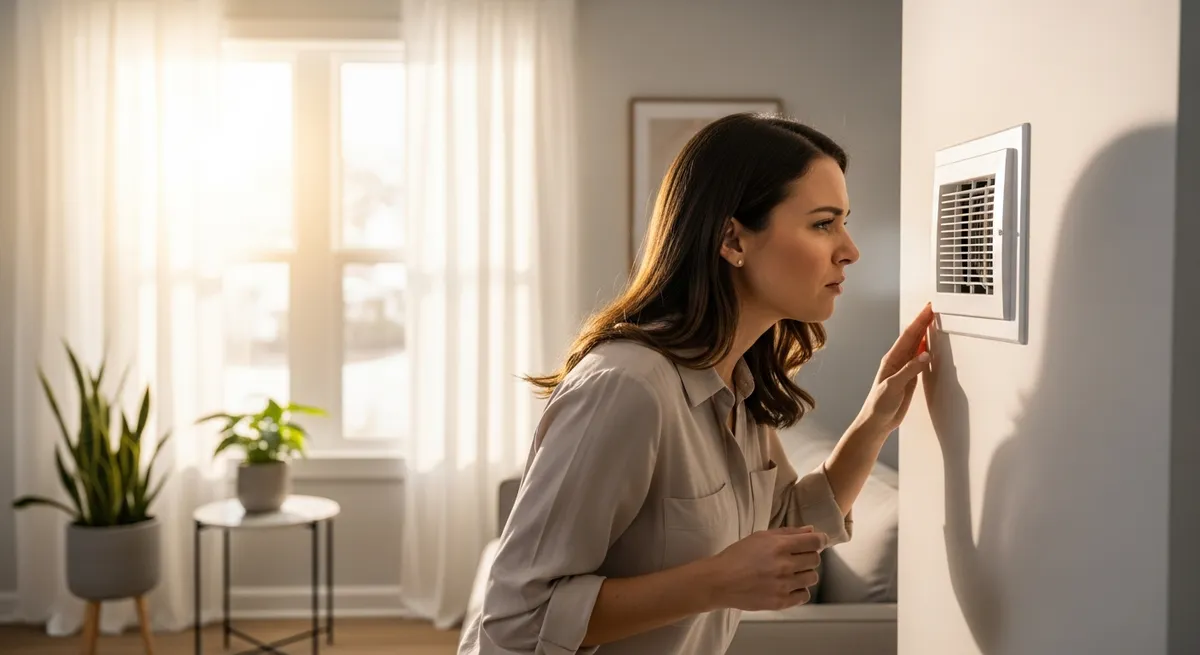
Have you ever walked into your home and been greeted by an unpleasant odor coming from your HVAC system? With the humidity in Hampton Roads a consistent issue even the smallest pollutants can fester in an HVAC system and become terrible.
In this article, we’ll explore the frequent causes of bad HVAC smells, including potential gas leaks, and how these odors can affect your health and sense of smell. We’ll also provide practical solutions to eliminate these unpleasant scents and maintain a fresh-smelling home.
Common Causes of Bad HVAC Smells
Bad HVAC smells can stem from various sources, affecting indoor air quality and comfort. Common causes include moisture and mold growth, clogged air filters, refrigerant leaks, dead animals or pests, electrical issues, and gas leaks.
These problems can lead to unpleasant odors, ranging from musty scents to chemical smells, impacting the skin and overall health. Understanding these issues helps homeowners identify and address HVAC odors effectively.
1. Moisture and Mold Growth
Moisture accumulation in HVAC systems creates an ideal mold and mildew growth environment, leading to unpleasant musty odors. These microorganisms thrive in damp conditions, often found in poorly maintained air ducts, clogged condensate drains, or areas with inadequate ventilation.
Homeowners may notice a smell similar to wet socks or a damp basement, which can worsen over time if left untreated. Regular maintenance, including cleaning air ducts and ensuring proper drainage, can prevent these issues and maintain a fresh-smelling home.
2. Clogged Air Filters
Clogged air filters can lead to unpleasant odors in HVAC systems, affecting air conditioning and indoor air quality. When filters become saturated with dust, debris, and other particles, they can trap moisture, creating an environment conducive to mold growth.
This impacts the system’s efficiency and allows contaminants to circulate through the ductwork, potentially causing musty or stale smells throughout the home. Regular filter replacement is crucial to prevent these issues and maintain a healthy, odor-free living space.
3. Refrigerant Leaks
Refrigerant leaks in HVAC systems can cause a distinct, sweet odor reminiscent of ether or chloroform. These leaks not only impact the system’s cooling efficiency but also pose potential health risks. When refrigerant escapes, it can affect the evaporator coil’s performance, leading to inadequate cooling and potential ice formation.
Homeowners may notice a decrease in cooling efficiency, along with unusual sounds from the unit. If a refrigerant leak is suspected, it’s crucial to have a professional HVAC technician inspect the system, as handling refrigerants requires specialized knowledge and equipment.
| Symptom | Possible Cause | Action |
|---|---|---|
| Sweet, ether-like odor | Refrigerantleak | Contact HVAC professional |
| Decreased cooling efficiency | Low refrigerant levels | Schedule system inspection |
| Ice formation on the evaporator coil | Refrigerantleak or airflow issues | Cleanair filter, check for blockages |
4. Dead Animals or Pests
Dead animals or pests in HVAC systems can cause severe odor issues, often emanating from the attic or crawl spaces. These unwanted guests may enter the ductwork through small openings and become trapped, leading to decomposition and unpleasant smells. The odor can be particularly noticeable when the furnace or air conditioning unit is running, as it circulates the contaminated air throughout the home.
Homeowners may notice a strong, putrid smell similar to rotting flesh, which can worsen over time and potentially attract other pests. Professional duct cleaning and pest control services are essential to address this issue effectively and prevent future occurrences:
| Odor Characteristic | Possible Cause | Recommended Action |
|---|---|---|
| A rotting, putrid smell | A dead animal in the ductwork | Contact a professional duct cleaning service |
| Intermittent foul odor | Pest infestation in an HVAC system | Schedule pest controlinspection |
| Persistent unpleasant smell | Decomposing matter in ducts | Perform thorough duct cleaning and sanitization |
5. Electrical Issues
Electrical issues in HVAC systems can produce distinct odors that signal potential problems. When components like capacitors, circuit boards, or fan motors overheat or malfunction, they may emit a burning smell reminiscent of overheated plastic or rubber.
This odor can be particularly noticeable when the heat pump is activated, potentially indicating a serious issue that requires immediate attention. If left unaddressed, electrical problems can lead to system failure, increased energy consumption, and even pose fire hazards.
Homeowners should be vigilant for any unusual smells, especially those accompanied by strange noises or reduced performance, and contact a professional HVAC technician promptly:
| Odor Type | Possible ElectricalIssue | Action Required |
|---|---|---|
| Burning plastic smell | Overheating components | Turn off the system, call the HVAC technician |
| Acrid, metallic odor | Short circuit or wiring problem | Immediate professional inspection |
| Ozone-like scent | Electrical arcing | Emergency HVACservice |
6. Gas Leaks
Gas leaks in HVAC systems pose serious safety risks and can produce distinct odors. Natural gas leaks often emit a rotten egg smell due to added odorants, while refrigerant leaks may have a sweet or chemical smell.
Homeowners should be alert for unusual smells near the furnace, condenser unit, or ductwork. If a gas leak is suspected, it’s crucial to evacuate the premises immediately and contact the gas company or emergency services.
Regular HVAC maintenance can help detect potential leaks early, ensuring both safety and system efficiency:
| Odor Type | Potential Source | Immediate Action |
|---|---|---|
| Rotten egg smell | Natural gasleak | Evacuate and call the gas company |
| Sweet, chemical odor | Refrigerantleak | Turn off the system, contact HVAC professional |
| Smoky or burning smell | Overheating components | Shut off the system, schedule inspection |
How to Prevent Bad Smells and Keep your Air Clean
Preventing bad HVAC smells involves regular maintenance, proper ventilation, and keeping ducts clean. These measures help control humidity, reduce the need for medication due to allergies, and protect the nose from irritants.
By addressing potential issues early, homeowners can maintain a healthy indoor environment and avoid infections that may arise from poor air quality. Proper central heating maintenance also contributes to a pleasant-smelling home.
Regular Maintenance
Regular maintenance is crucial for preventing bad HVAC smells and ensuring optimal system performance. By scheduling routine inspections and cleanings, homeowners can address potential issues before they lead to unpleasant odors or more serious problems.
This includes changing air filters regularly, cleaning ventilation systems, and inspecting components like the washing machine-sized condenser unit for signs of wear or oil leaks.
Proper maintenance not only reduces the risk of injury from malfunctioning equipment but also helps eliminate sources of body odor and other unwanted smells, creating a healthier and more pleasant indoor environment.
Proper Ventilation
Proper ventilation is essential for maintaining a healthy HVAC system and preventing bad odors. Adequate airflow helps remove excess moisture and contaminants from various areas of the home, including the kitchen, where cooking odors can accumulate.
This reduces the risk of fungus growth in damp areas and prevents unpleasant smells from circulating through the ductwork. Additionally, proper ventilation can help alleviate issues related to septic tank odors by ensuring that sewer gases are effectively removed from the living space.
Regular maintenance of ventilation systems, including cleaning exhaust fans and checking pump and pipe connections, can significantly improve indoor air quality and reduce the likelihood of persistent HVAC odors.
Keep Ducts Clean
Keeping ducts clean is essential for preventing bad HVAC smells and maintaining optimal indoor air quality. Regular duct cleaning helps remove accumulated debris, dust, and potential sources of odors, including those that may exacerbate conditions like xerostomia or dry mouth.
Clean ducts also improve system efficiency, reducing the risk of combustion-related issues that could lead to unpleasant smells or health hazards.
Homeowners should schedule professional duct cleaning services periodically, especially if they notice persistent odors or have concerns about indoor air quality:
| Benefit | Impact | Recommended Action |
|---|---|---|
| Improved air quality | Reduced allergens and irritants | Schedule regular duct cleaning |
| Enhanced system efficiency | Lower energy costs, better performance | Inspect ducts annually |
| Odor prevention | Fresher indoor air, fewer health concerns | Address issues promptly, consider air purifiers |
Contact Universal Duct Cleaning for Trusted and Quality Service!
Taking care of your home’s air ducts is crucial for your family’s health. Universal Duct Cleaning ensures that hidden threats in the air, like pet danders, air pollution, and insects are removed, creating a safer living environment in your Hampton home.
Universal Duct Cleaning specializes in professional air duct cleaning in Hampton Roads. With next-day service options, a well-trained team, and customized cleaning plans, we are dedicated to excellence. Choose Universal Duct Cleaning for cleaner air and a healthier home – just a call away!
Frequently Asked Questions
How do I check for mice living in my HVAC system?
To check for mice in your HVAC system, look for signs like droppings near vents, chewed wires or insulation, and a musty or foul smell. You may also hear scratching or squeaking noises from the ducts. Inspect the system for small openings or gaps where mice could enter, and if you're unsure, contact a professional for an inspection. So Does air duct cleaning contribute to rodent elimination? Yes, it does.
How can I prevent my HVAC system from developing bad smells?
To prevent HVAC system odors, regularly change air filters, clean ducts, and maintain proper drainage. Keep the area around your unit clean, use high-quality filters, and schedule professional inspections. Addressing moisture issues and using UV lights can also help eliminate smells.
Is a musty smell from my air conditioner a sign of mold growth?
A musty smell from your air conditioner can indeed indicate mold growth. This odor often results from excess moisture in the system, creating an ideal environment for mold to thrive. Prompt inspection and cleaning are essential to prevent potential health risks and maintain optimal air quality — our mold duct fogging and sanitization service handles both removal and treatment.
Can a burning odor from my HVAC indicate a serious problem?
A burning odor from your HVAC system can indicate serious issues like overheating motors, electrical problems, or even a potential fire hazard. It's crucial to shut off the system immediately and contact a professional HVAC technician for inspection and repairs to ensure safety and prevent further damage.
How often should I clean or replace my HVAC air filters?
HVAC air filters should typically be replaced every 1-3 months, depending on factors like filter type, home size, and air quality. Regular replacements ensure optimal system performance, improved indoor air quality, and energy efficiency. Check filters monthly and replace them when visibly dirty or clogged.
Serving Hampton Roads — the Total Home Health Way
Universal Duct Cleaning is a local company, and our technicians are in Hampton Roads neighborhoods like Berkley, West Portsmouth / Park View, and Aberdeen every week. If you live nearby, visit your neighborhood page to see recent jobs, local reviews, and service details for your area.
Duct cleaning is one part of our Total Home Health approach. Because pests and rodents are a leading cause of contaminated ductwork, we work hand in hand with our sister company Universal Pest & Termite — so if an inspection turns up droppings or nesting in your vents, one call handles both problems.