
Home Maintenance Blog for Virginia Beach & Hampton Roads
Expert tips and advice on maintaining your home's air quality, HVAC efficiency, and safety.
Showing 124 of 124 articles
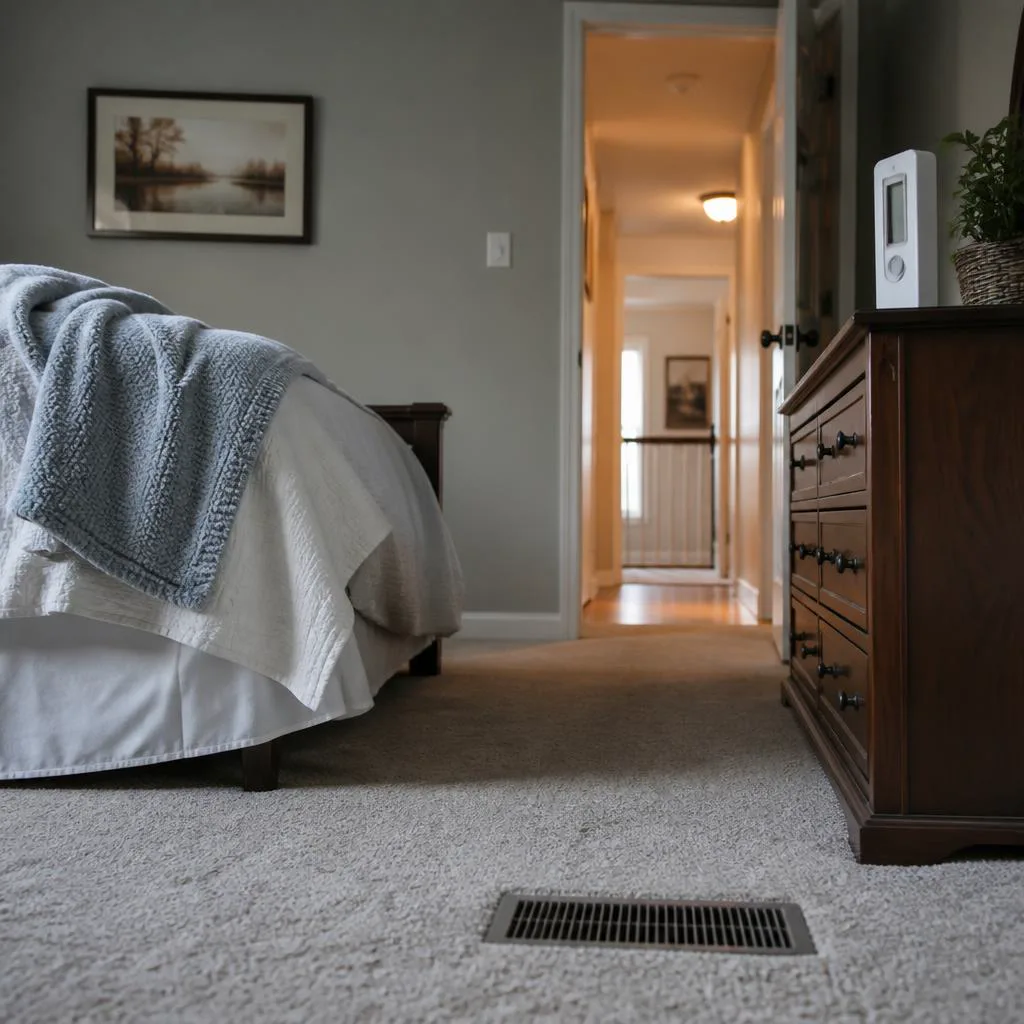
Why Is One Bedroom Always 5 Degrees Colder Than the Rest of the House?
A cold bedroom in Greenbrier or Great Bridge is frustrating—but a temperature gap does not automatically mean bad ductwork. Use this safe, step-by-step Chesapeake checklist to narrow down what to inspect.
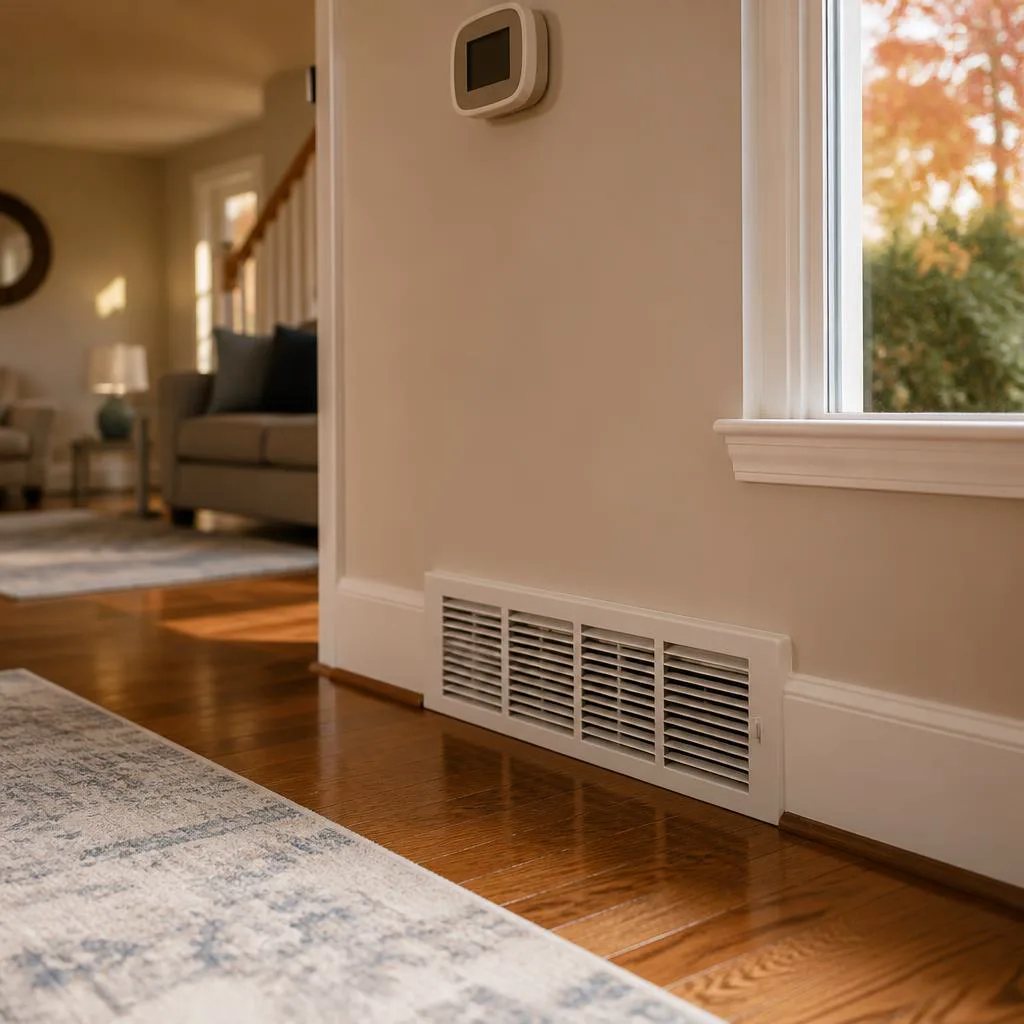
Why Does My House Smell Like It's Burning? What That October Furnace Switchover Means for Your Air Ducts
The first heat cycle can bring a surprising odor to Great Neck, North End, and Kempsville homes. Learn which signs are urgent, what a duct inspection can and cannot tell you, and who to call first.
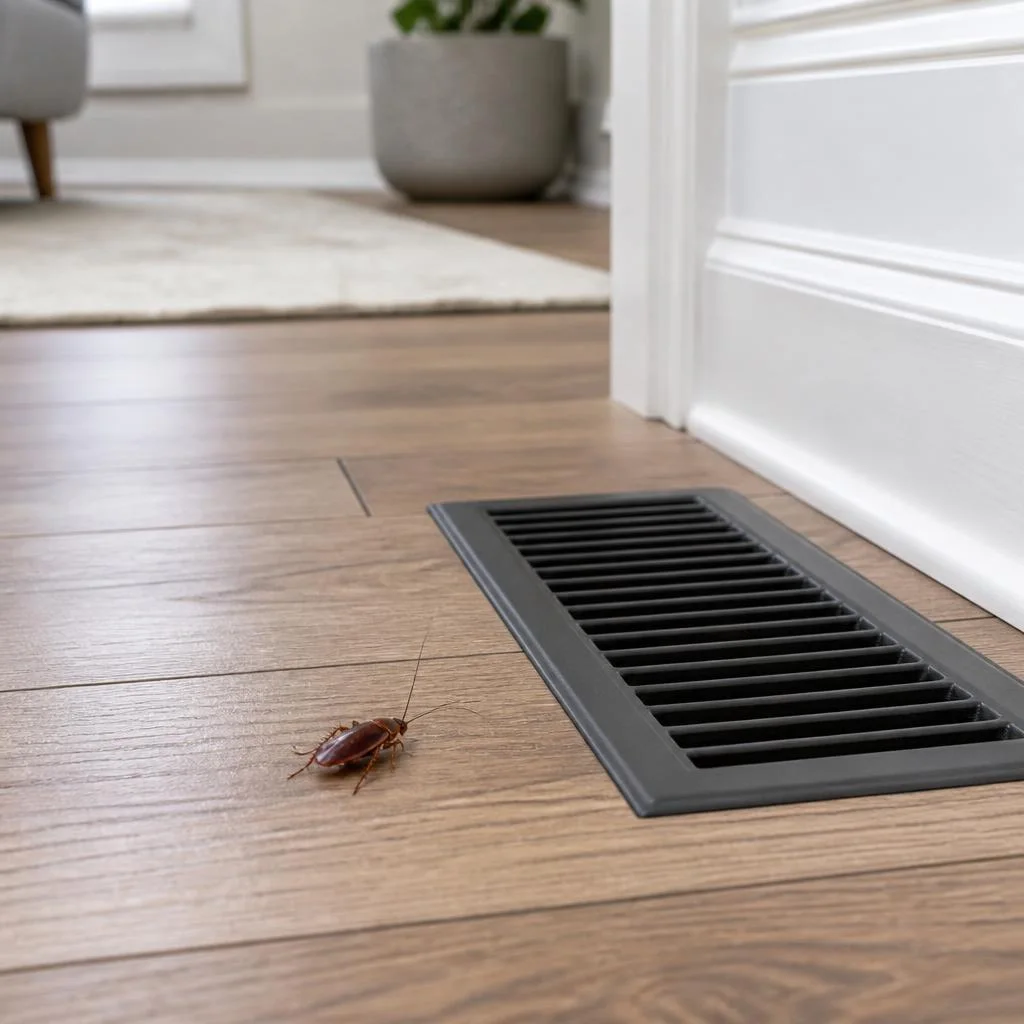
Found a Palmetto Bug Near a Vent? What Norfolk Homeowners Should Know
A cockroach beside a register does not prove it came through the ductwork. Learn what to note, when to call pest control, and when a duct inspection may help.
The Exterminator Caught the Rodents—Now What? A Practical HVAC Checklist
Pest treatment is one part of recovery. Learn when to address entry points, inspect attic insulation and ductwork, and clean or repair only what the evidence supports.

Odors from Air Vents: What to Check and When to Leave
A vent odor does not identify a dead animal or duct problem. Learn how to respond safely to gas, smoke, and persistent HVAC odors.

Best Air Duct Cleaning Near Me in Hampton Roads: What to Compare Before You Book
Searching for the best duct cleaning near you? Use this Hampton Roads checklist to compare inspections, written scopes, photo documentation, pricing, and local service coverage before you hire.

Burning Smell When the Heat Starts: Suffolk Safety Guide
An odor cannot confirm that dust is burning safely. Learn when to stop using equipment, leave, and contact emergency services.
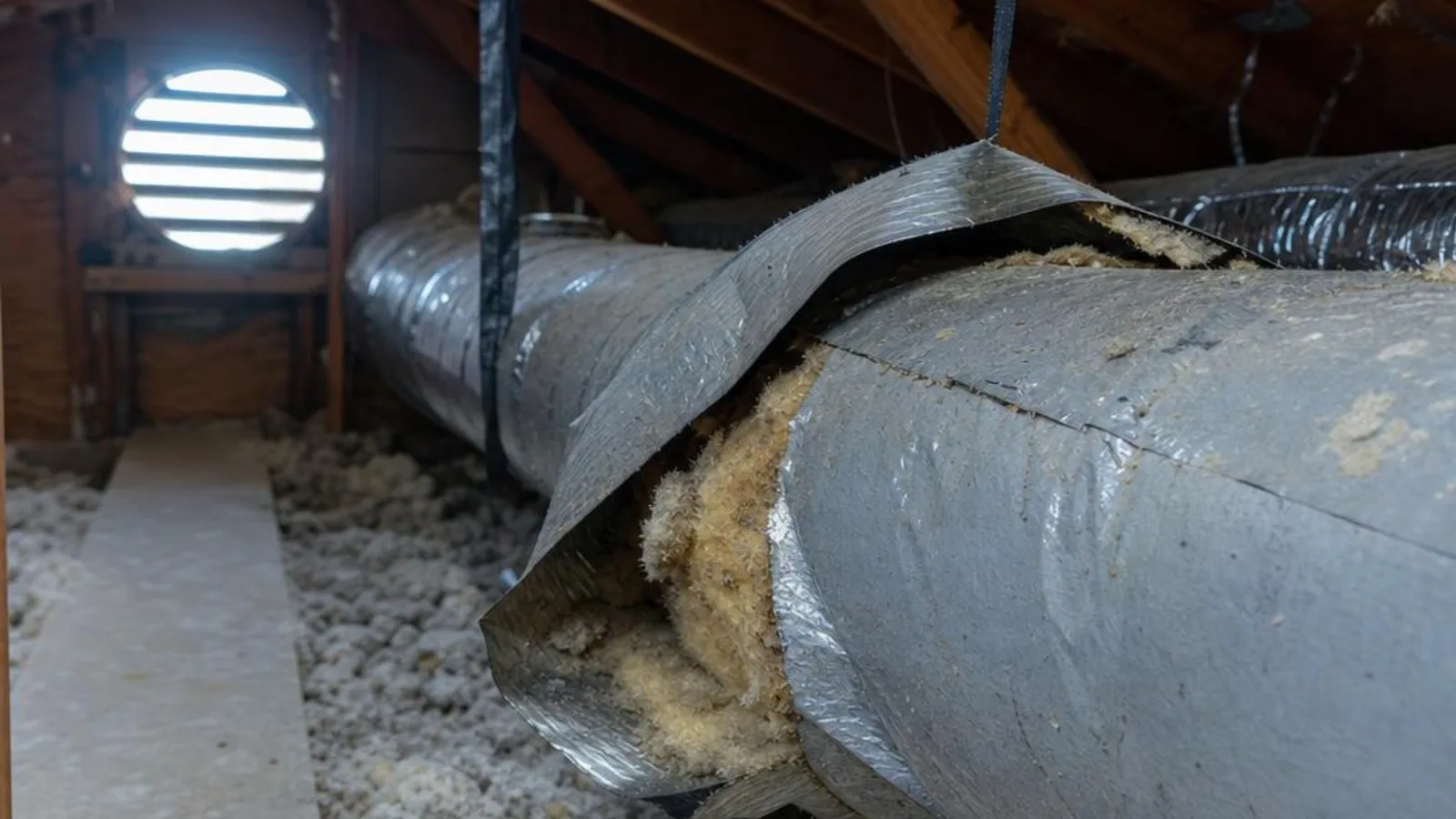
Attic Duct Insulation in Hampton: What to Inspect
Learn which visible attic duct conditions may warrant an HVAC assessment and why climate alone cannot predict duct lifespan or energy savings.
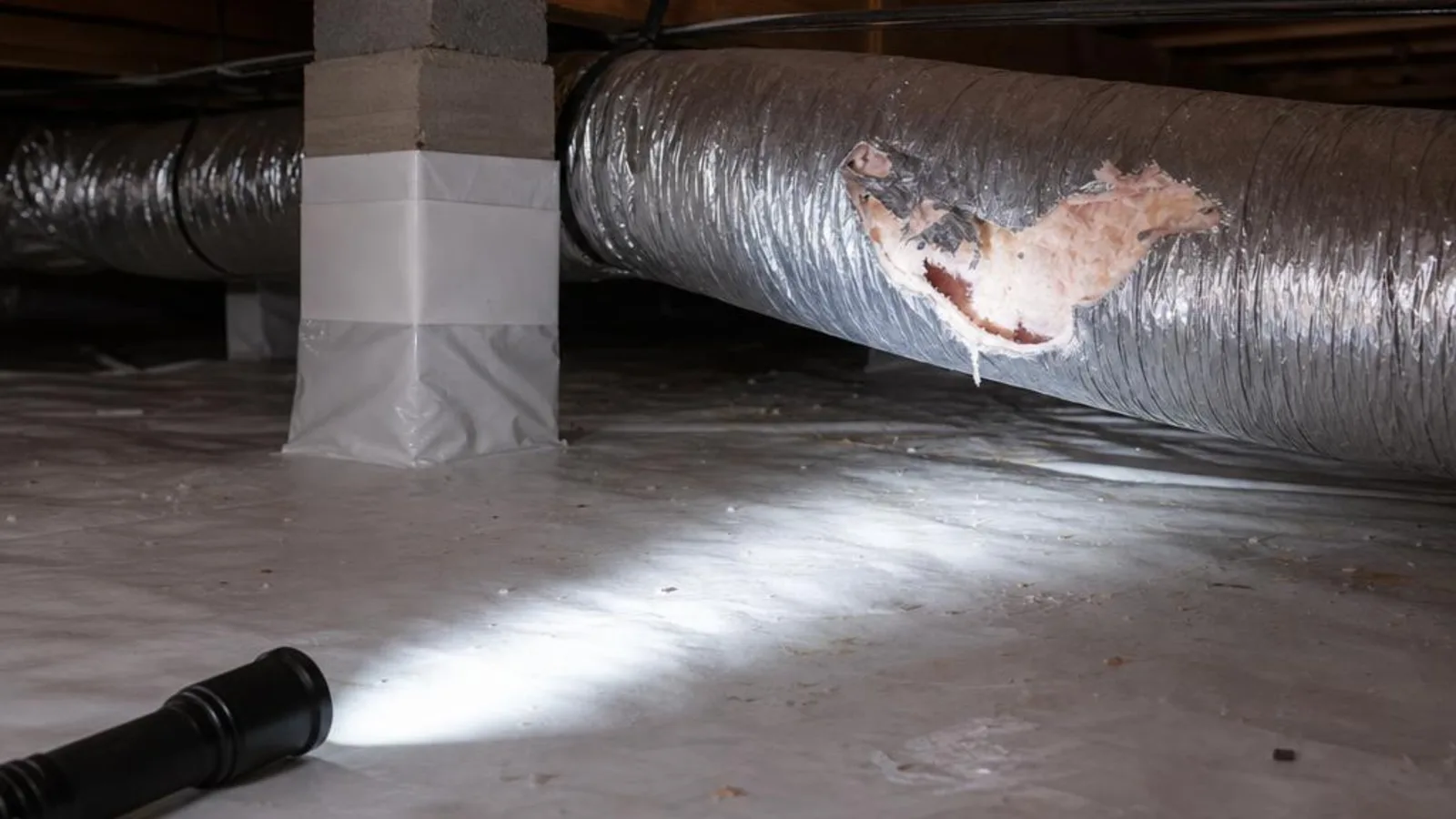
Norfolk Crawl-Space Duct Damage: What to Document
A damaged duct can affect air delivery, but bills and weak airflow do not identify the cause. Learn what an inspection can show and why cleaning is not repair.
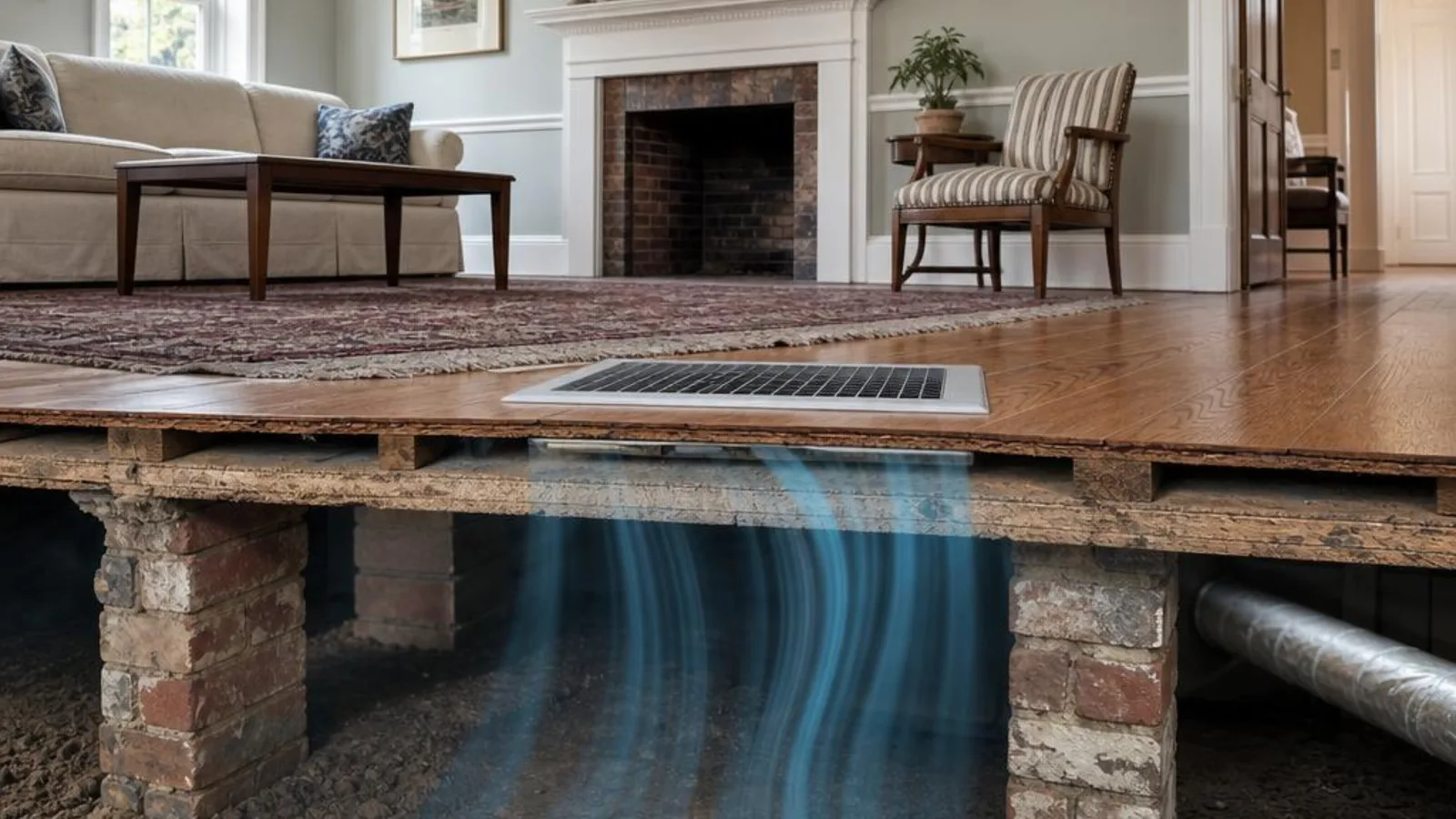
Musty Odors in Portsmouth Homes: Inspect Before Cleaning
A musty smell does not prove mold or crawl-space air is entering ducts. Learn what to inspect and why moisture correction comes first.
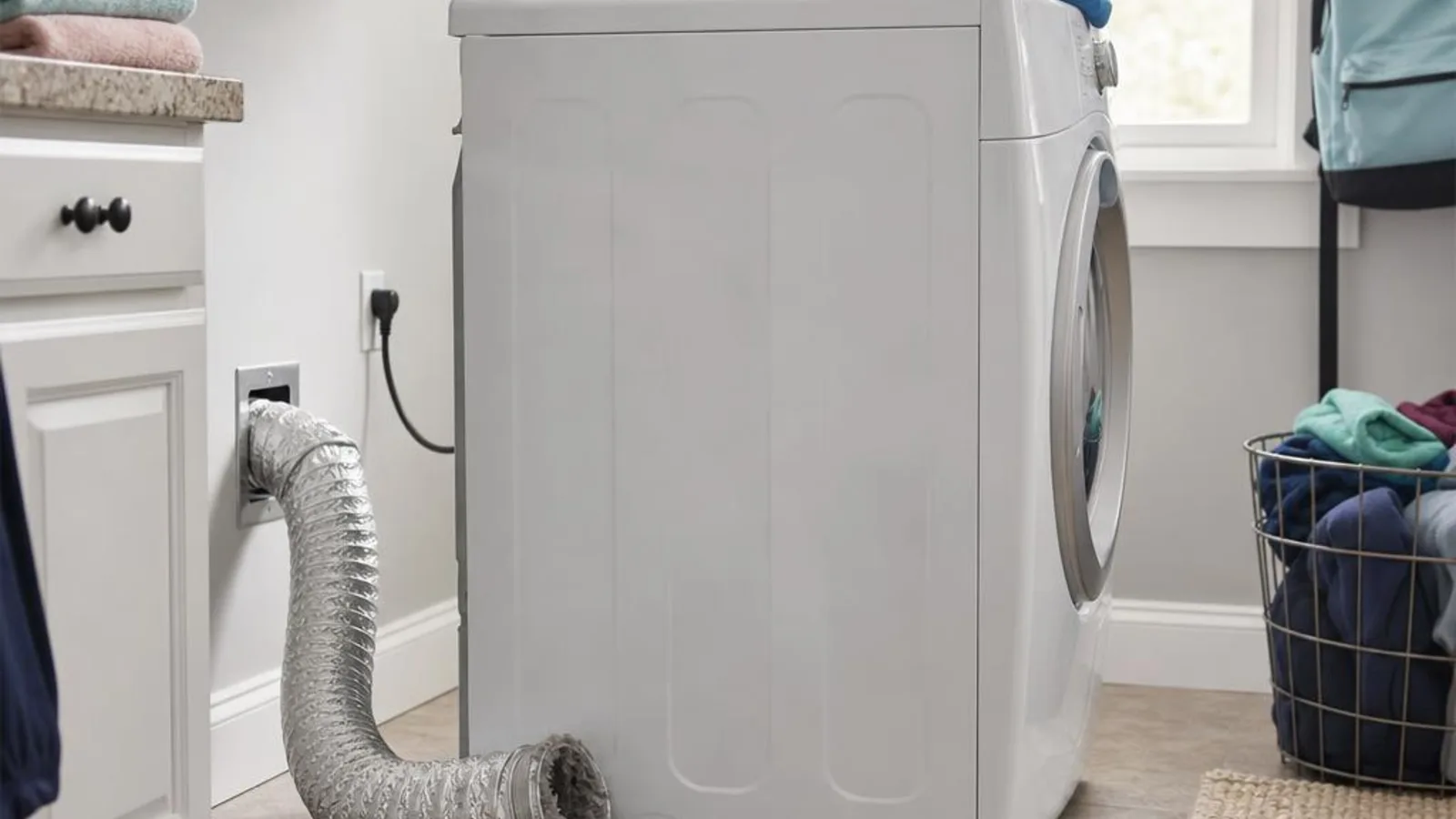
Newport News Dryer Vent Safety: Warning Signs
Learn which dryer-vent warning signs matter, what homeowners can check safely, and when to stop using a dryer and call a professional.
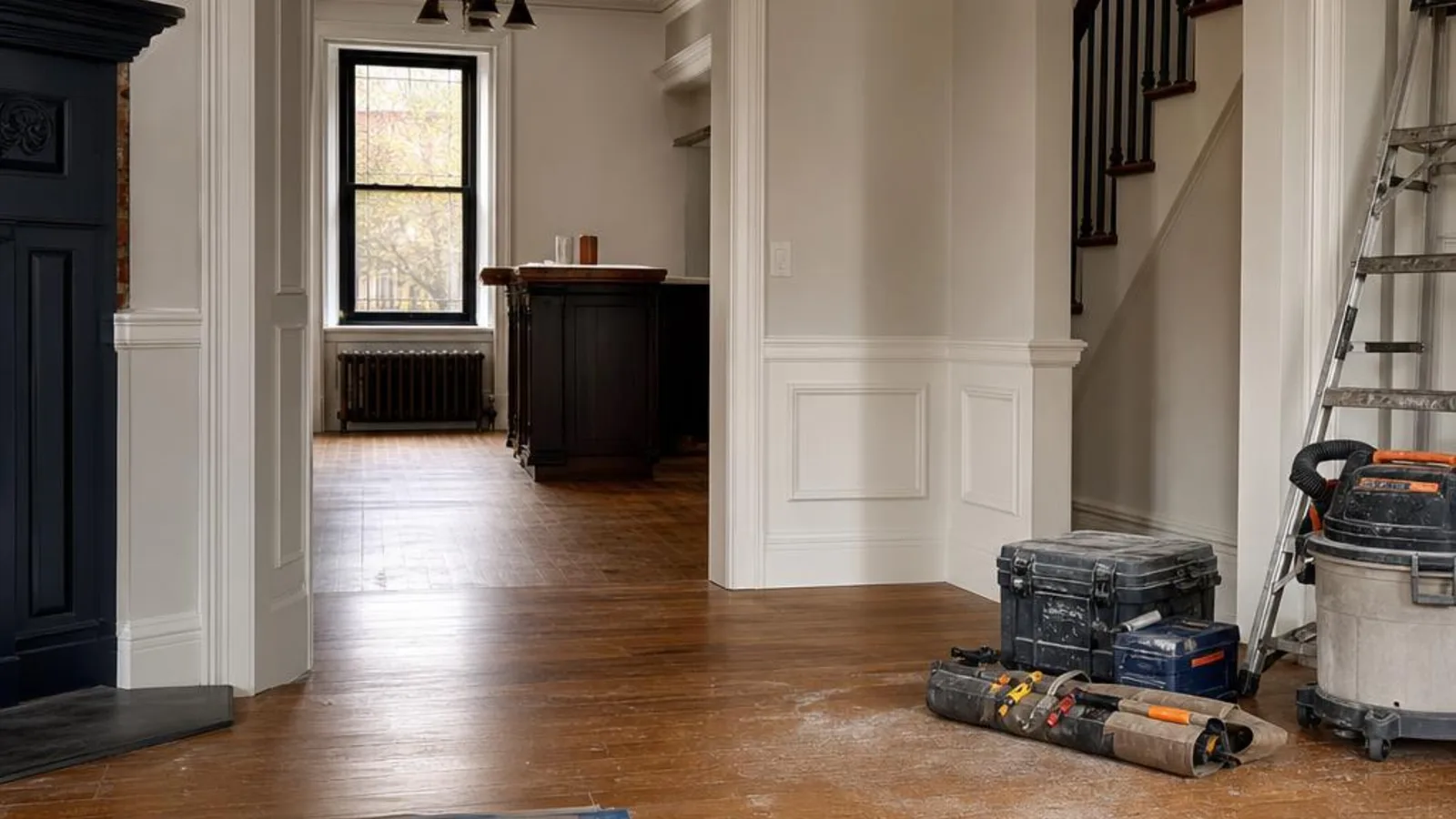
Drywall Dust and HVAC Systems: What to Check After Renovation
Renovation dust on surfaces does not prove HVAC damage. Learn what to document and when EPA says duct cleaning may be considered.

Duct Cleaning Prices in August & September: What Changes When the Heat Comes On
Planning duct cleaning for the August-September transition? See the special offer with a no-charge inspection, real starting price, and what to check before the first nighttime heat cycle.
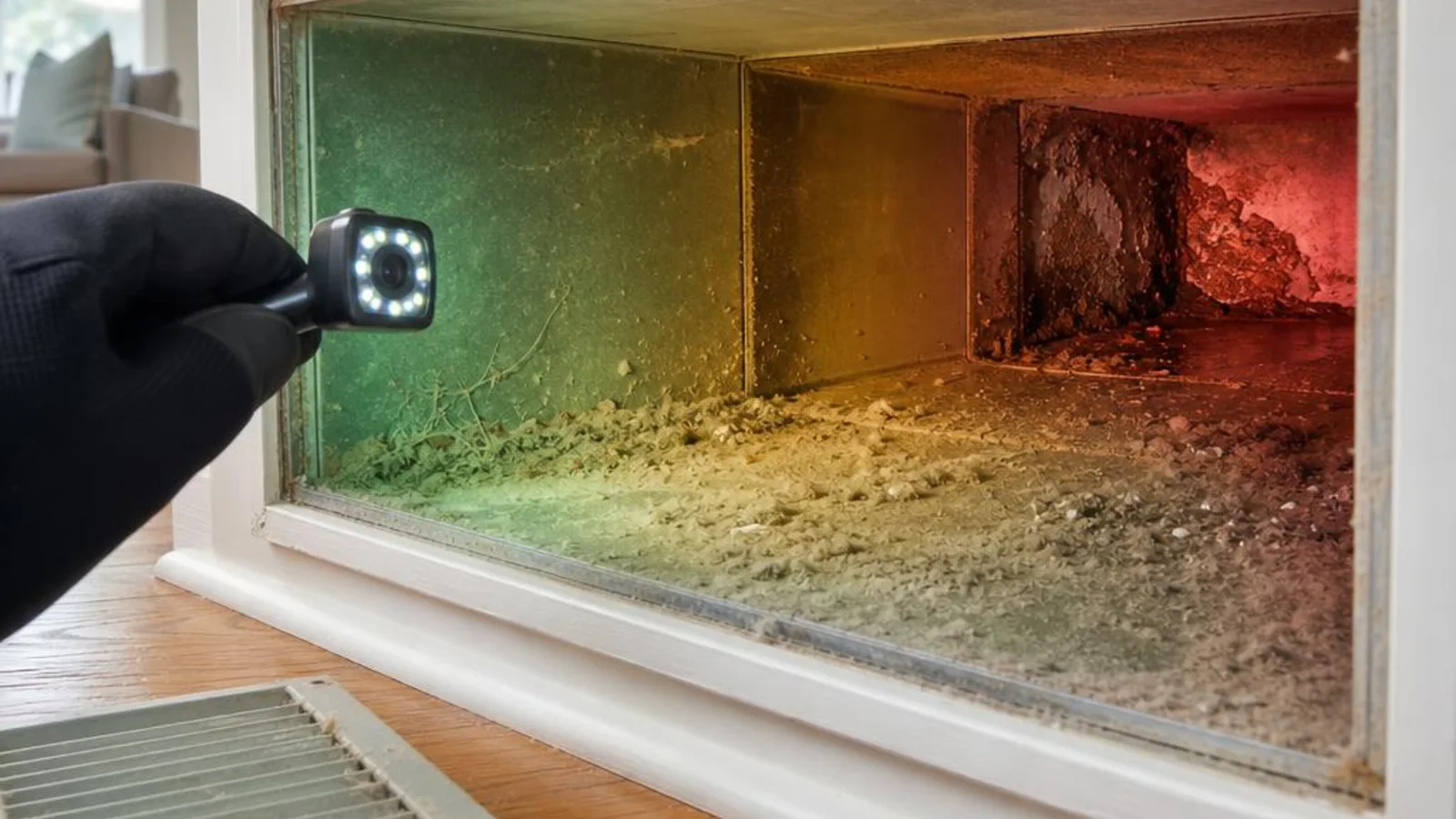
What's in Air Ducts? A Guide to What an Inspection Can Show
A concern chart cannot diagnose duct contamination or illness. Learn EPA's criteria and what an HVAC inspection can document.
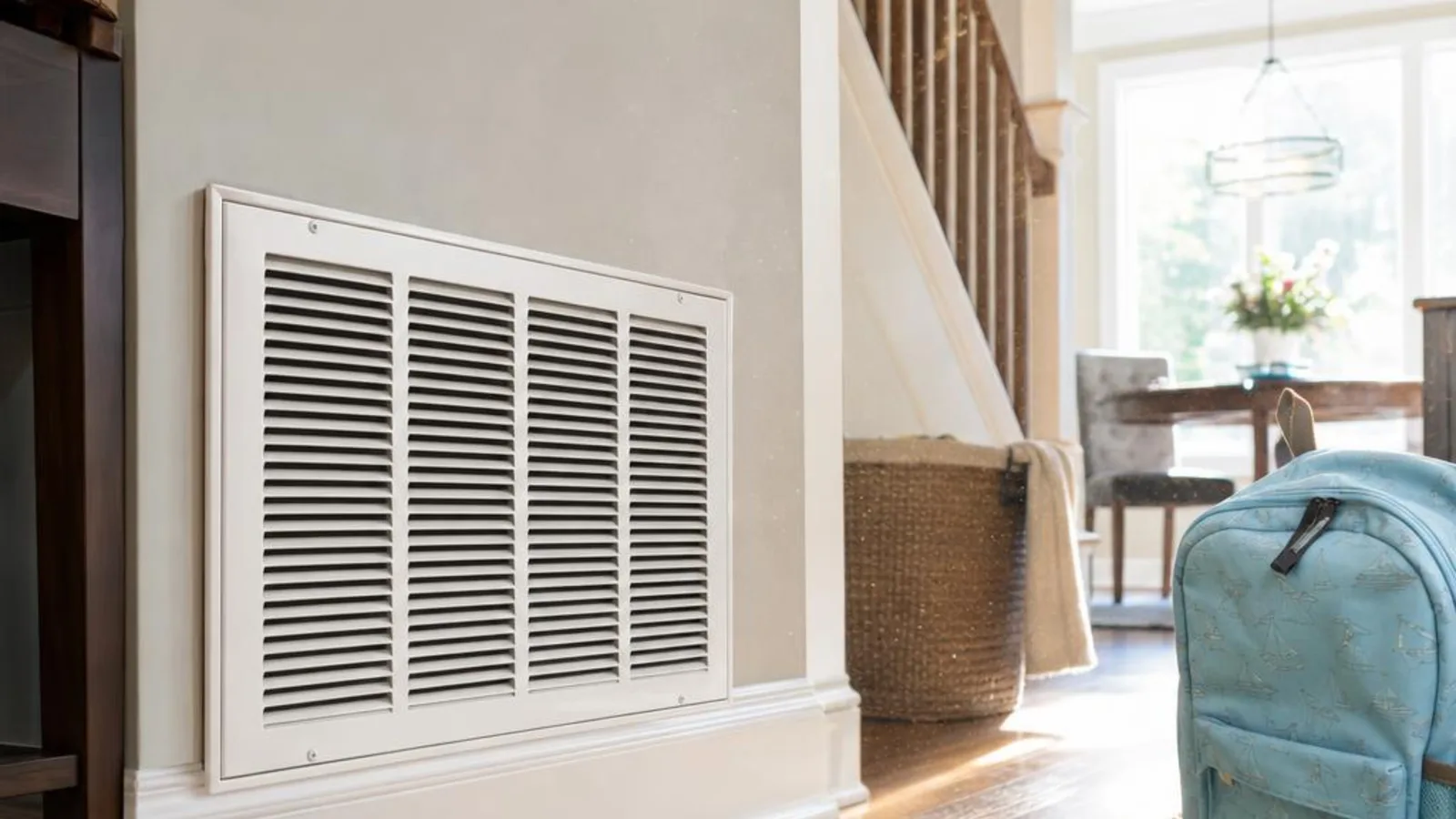
Back-to-School Sniffles in Chesapeake: What to Check
Seasonal symptoms can have many causes. Learn what to check in a Chesapeake home's HVAC system, what filters can do, and when duct inspection may be useful.
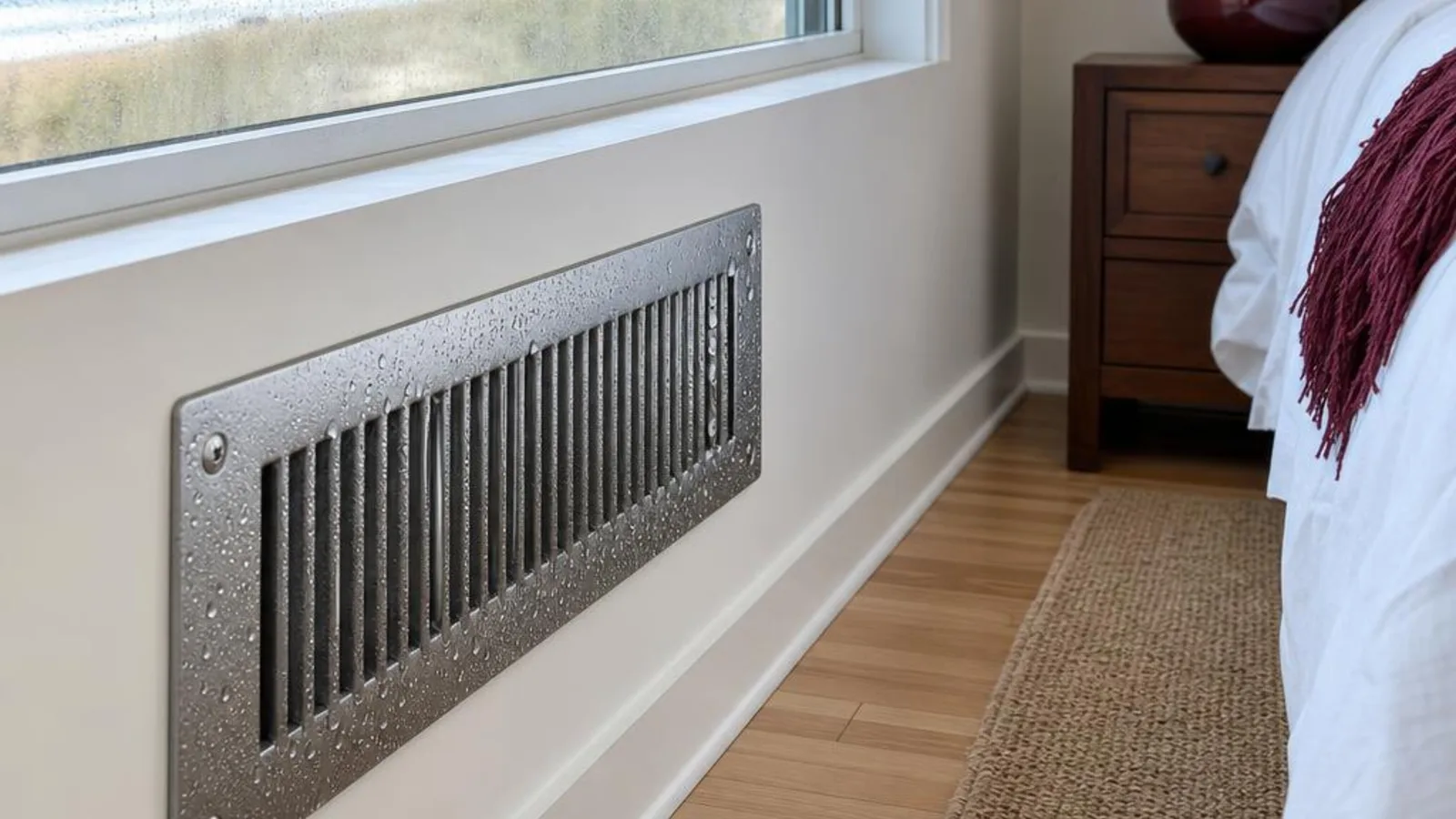
Sweating A/C Vents in Virginia Beach: What to Check
Condensation shows moisture at a surface, not mold in ductwork. Learn what to inspect and why source correction comes before cleaning.

Duct Cleaning Prices in Chesapeake: What Homeowners Actually Pay
From Greenbrier townhomes to Hickory farmhouses, here's what air duct cleaning really costs in Chesapeake — what's included, what changes the quote, and how to avoid bait-and-switch pricing.

Should Hampton Roads Homes Clean Air Ducts Every Year?
There is no one-size-fits-all annual duct-cleaning schedule. Learn which visible conditions may warrant an inspection and what to ask before booking.

Pet Dander in Air Ducts: What Homeowners Should Know
Pet allergens can travel through indoor air, but duct cleaning is not a guaranteed allergy treatment. Learn how source control and compatible filtration fit in.

The Top 12 Virginia Beach Neighborhoods That Call Us Most for Air Duct Cleaning
From salt-sprayed Oceanfront condos to shaded Thoroughgood ranches, these are the 12 Virginia Beach neighborhoods that keep our duct cleaning crews busiest — and the local reasons why.

Air Duct Cleaning Costs in Hampton Roads (Price Guide for VB, Chesapeake, Norfolk & Beyond)
How much does air duct cleaning really cost in the 757? Here's the city-by-city price guide for Virginia Beach, Chesapeake, Norfolk, Portsmouth, Suffolk, Hampton, and Newport News — including what a legitimate cleaning must include and the $75 bait-and-switch scams to avoid.
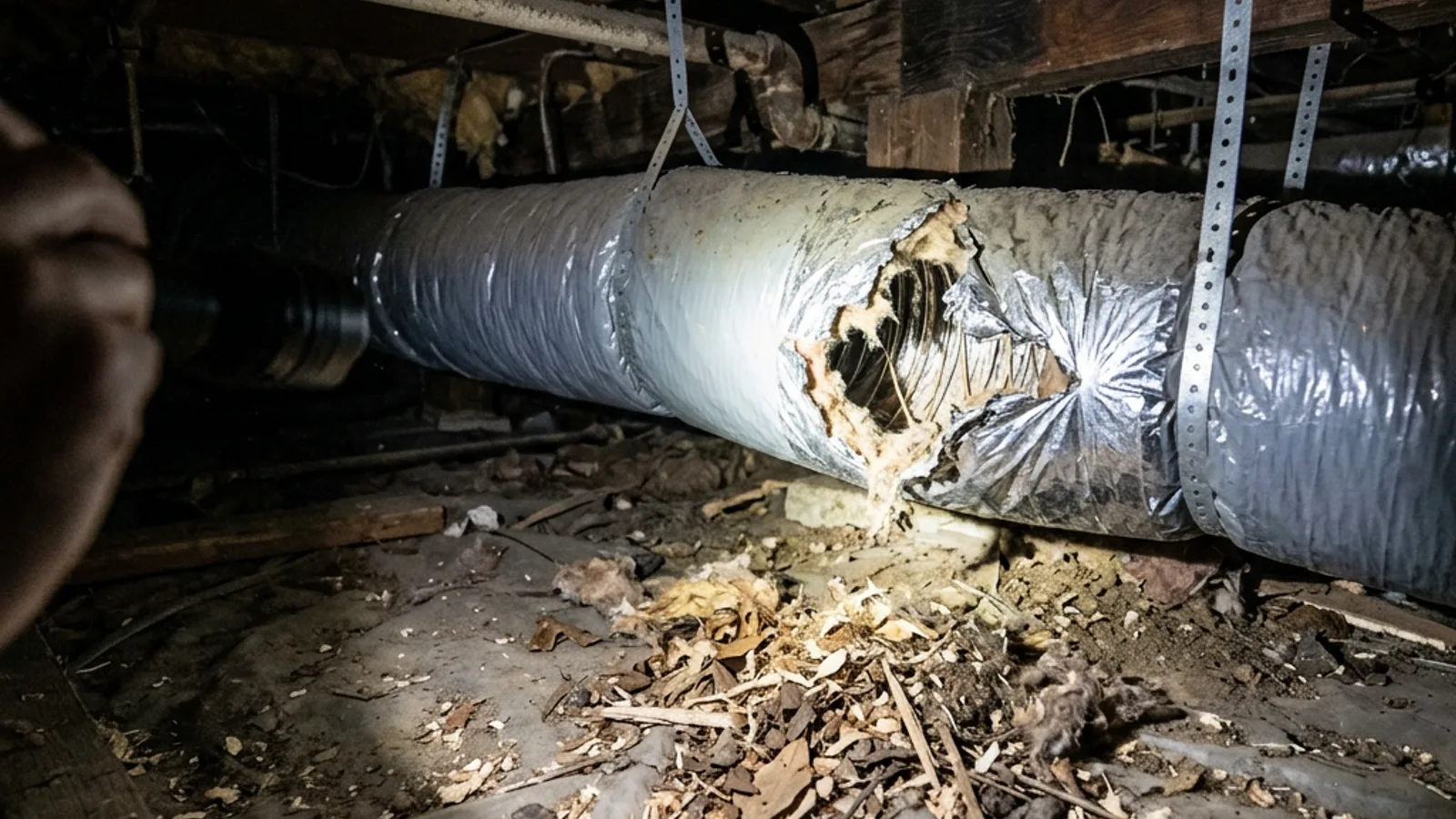
Rodent Damage to Ducts: What Affects the Repair Quote?
Rodent-related duct work depends on documented conditions and scope. Learn what to ask, how CDC advises handling droppings, and why quotes vary.
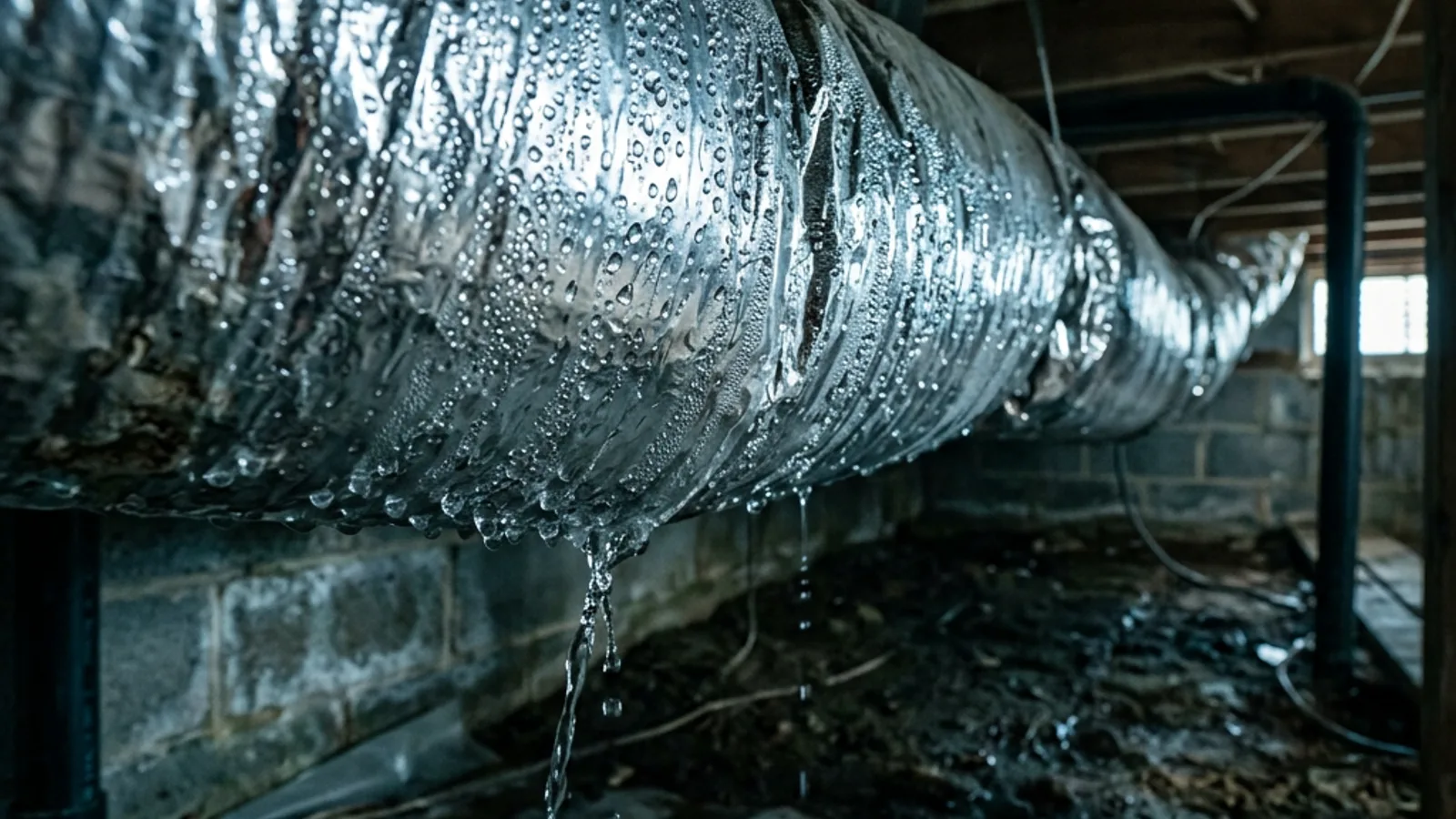
Sweating Ducts and Moisture: What Coastal Virginia Homes Should Check
Condensation does not prove mold inside ducts. Learn how to identify the moisture source and separate cleaning from repair or sealing.

How Often Should Hampton Roads Air Ducts Be Cleaned?
Coastal humidity, pets, or allergies do not set a duct-cleaning schedule. Learn which documented conditions EPA says may warrant service.

Air Vent Odors in Suffolk: Clues, Not Diagnoses
Musty or “dirty sock” smells do not identify mold or bacteria. Learn safe first checks and when to arrange an HVAC assessment.
“Waterbugs” Near Air Ducts: An American Roach Guide for Hampton Roads
A roach near a register does not prove it came through the duct. Learn what to note, when to call pest control, and when a separate HVAC inspection may help.

Dust in the Home: Does It Mean Duct Cleaning Is Needed?
Dust and allergy symptoms do not prove that HVAC ducts are the source. Learn what EPA says to document before scheduling cleaning.

Why Do Air Duct Cleaning Companies' Prices Vary So Much in Virginia Beach & Hampton Roads?
One company quotes $99, another quotes $900 — for the same Virginia Beach house. Here's what's really behind the wild price swings in duct cleaning, and how to compare quotes without getting burned.

How Often Should Churchland Homes Clean Air Ducts?
EPA does not recommend a fixed cleaning interval for every home. Learn which documented conditions may warrant a closer look in Churchland.

Duct Cleaning in Hampton: What the Evidence Says
Coastal humidity or allergies do not set a duct-cleaning schedule. Learn which specific conditions EPA says may warrant service.
What Can an Air Duct Inspection Actually Show?
A register cannot identify mold, bacteria, or a health hazard. Learn which documented conditions may warrant duct cleaning in Chesapeake.

Air Vent Odors in Virginia Beach: What to Do
A smell does not identify mold or a single HVAC cause. Learn safe first steps, when to arrange an assessment, and when to leave the home.

Humidity and Mold-Like Growth in Hampton Roads Ducts
Humidity alone does not prove mold is growing in ductwork. Learn how moisture control, documented conditions, and duct materials guide next steps.

Spring Pollen in Chesapeake: What HVAC Filters Can Do
Pollen season and allergy symptoms do not prove ducts are a pollen reservoir. Learn practical filter and source-control steps.

Coastal Wind, Allergens, and Air Ducts in Virginia Beach
Wind and pollen do not prove ducts are contaminated. Learn how to check filters, sources, and documented duct conditions.
The $99 Special Trap: Why Transparent Pricing Matters for Virginia Beach & Williamsburg Homeowners
We have all seen the flashy flyers in our mailboxes or the bold digital ads popping up on our feeds: “Whole-Home Air Duct Cleaning – Only $99!” or “Complete Pest Treatment Special…
Summer Humidity and Air Ducts: What Hampton Roads Homes Should Check
Warm weather and pollen do not prove mold or duct contamination. Learn how to check moisture and when cleaning may be considered.

Newport News Indoor Allergens: What Duct Cleaning Can Do
Allergy symptoms do not show that ducts are contaminated. Learn practical source-control steps and when an inspection may be useful.
Air Ducts in Older Norfolk Homes: What to Document
A home's age does not prove mold, pests, or allergens are inside its ducts. Learn when EPA says cleaning may be considered.
Chesapeake Humidity and Air Ducts: What to Check
Wetlands and humid weather do not prove a home has mold in its ducts. Learn how to investigate moisture and what EPA says about cleaning.
Can Dirty Air Ducts Make You Sick? What EPA Says
EPA says routine duct cleaning has not been shown to prevent health problems. Learn what conditions may warrant cleaning and what symptoms cannot tell you.

After a Damp Spring: Check Moisture Before Duct Cleaning
Rainy weather alone does not prove mold is in ductwork. Learn what to inspect, what to dry promptly, and when cleaning may be considered.

Restricted Airflow and Cooling Problems: What Peninsula Homes Should Check
Low airflow does not prove ducts need cleaning or that a motor will fail. Learn which filters, duct, and equipment conditions to assess.

Spring Allergies at Home: What to Check First
Allergy symptoms do not show that ducts are contaminated. Learn about source control, compatible filtration, and when an inspection may help.

Air Duct Cleaning in Norfolk: Which Conditions Matter?
Dust, odors, and symptoms do not diagnose duct contamination. Learn which documented conditions EPA says may warrant cleaning.
Air Duct Cleaning in Virginia Beach: What EPA Says
Coastal weather does not prove a duct problem. Learn EPA's criteria and how to separate cleaning from pest or moisture correction.

Duct Cleaning in Chesapeake: What to Document First
Dust and allergy symptoms do not prove ducts need cleaning. Learn which specific conditions EPA says may warrant service.
Rodents and Air Ducts in Norfolk: Safe Next Steps
A pest sighting does not prove rodents are inside ducts. Learn CDC cleanup guidance and how to separate pest control from HVAC work.
Virginia Beach Duct Cleaning Prices: What the Quote Includes
Humidity and health fears do not prove ducts need cleaning. Learn EPA's criteria and how to compare a documented, itemized quote.
What's in Air Ducts? Hampton Roads Inspection Guide
A dusty vent does not diagnose air quality or a health problem. Learn EPA's criteria and what to inspect before cleaning.
Air Ducts in Williamsburg Homes: What to Assess
A historic home or wooded setting does not prove duct contamination. Learn which documented conditions EPA says may warrant cleaning.
Air Duct Cleaning in Virginia Beach: What to Know
Coastal weather, pets, and dust do not prove ducts need cleaning. Learn EPA's criteria and how to assess a specific concern.
Odors from Air Vents: What They Do and Don't Tell You
A vent odor does not diagnose mold or duct contamination. Learn safe steps for gas or smoke and how to investigate other smells.

What's Living in Air Ducts? Hampton Roads Guide
A vent or odor cannot identify what's in a duct or prove a health effect. Learn what EPA says to document before service.
Indoor Air Quality in Hampton Roads: When Duct Cleaning Helps
Duct cleaning is not essential for every home. Learn EPA's criteria for when it may be considered and what source control can address.
Does Air Duct Cleaning Improve Air Quality in Hampton Roads?
EPA says routine duct cleaning has not been shown to prevent health problems. Learn when cleaning may be appropriate and what to check first.
How Often Should Hampton Roads Homes Clean Air Ducts?
EPA does not recommend a fixed duct-cleaning schedule. Learn which documented conditions may warrant cleaning.
Winter Humidity and Mold: What Hampton Roads Homes Should Check
Winter does not automatically cause mold in ducts. Learn how to document suspected growth, correct moisture, and avoid unsupported treatments.
Air Duct Repair or Replacement: What to Assess
Dust, odors, or pest activity do not prove a duct needs replacement. Learn how documented damage and moisture guide next steps.
Air Duct Cleaning in Chesapeake: What to Assess
A historic home, dust, or humidity does not prove the ducts need cleaning. Learn which conditions EPA says may warrant service.
Air Duct Cleaning in Virginia Beach: When It May Help
Coastal humidity does not prove mold is in the ducts. Learn EPA's criteria and how to check moisture and other HVAC concerns.
Choosing an Air Duct Cleaning Company: What to Ask
Compare evidence and written scope, not promises of guaranteed health or energy benefits. Learn EPA's criteria.
Commercial HVAC Maintenance: What Duct Cleaning Can Do
Duct cleaning does not guarantee longer equipment life or better employee health. Learn why commercial HVAC work needs a site-specific assessment.
Office Indoor Air Quality: More Than Duct Cleaning
Duct cleaning alone cannot guarantee healthier employees or higher productivity. Learn what EPA says about managing office air quality.
Commercial HVAC and Duct Cleaning: What to Verify
There is no universal energy or particle-reduction percentage for duct cleaning. Learn how to build a site-specific commercial HVAC plan.
Do New Homes Need Air Duct Cleaning?
A new home or renovation does not automatically need duct cleaning. Learn what to inspect and when EPA says cleaning may be considered.

HVAC Odors: Safe Checks and When to Get Help
An odor is a clue, not a diagnosis. Learn what to check and what to do if you suspect a gas leak or see smoke or fire.

Pet Allergens at Home: What Duct Cleaning Can Do
Pet ownership does not make duct cleaning a health treatment. Learn practical exposure steps and which documented conditions may warrant cleaning.
Duct Cleaning and Home Savings: What to Verify First
Routine duct cleaning does not guarantee lower bills or prevent mold. Learn how to match an inspection and service scope to a documented issue.

DIY Air Duct Cleaning: When to Stop and Get Help
Avoid entering ducts or spraying household cleaners into HVAC equipment. Learn what EPA says about duct conditions and treatments.
Mold-Like Material in Air Ducts: Safer Next Steps
Color and odor do not identify mold. Learn why moisture correction, assessment, and duct-material condition guide next steps.
Mold-Like Growth in Chesapeake HVAC Systems
A mark or musty odor does not identify mold or its source. Learn what to document, why moisture correction comes first, and what EPA says.

Emergency Preparedness Tips for Living in Norfolk, VA
Located along the beautiful Chesapeake Bay, Norfolk, Virginia, offers its residents a unique blend of coastal charm and historical significance. While this vibrant city is known…

Exploring Norfolk, VA: Discovering the Top Parks in this Coastal Gem
Norfolk is a great place to explore on a vacation to Hampton Roads. Nestled along the picturesque Chesapeake Bay, Norfolk, Virginia, boasts a rich tapestry of parks that highlight…

Uncover the Best Experiences in Norfolk, Virginia
If you are planning a visit to Hampton Roads and Norfolk, Virginia, you will find a diverse array of experiences that can appeal to all types of visitors. Norfolk has a rich…

Secondhand Smoke at Home: What Duct Cleaning Can Do
Duct cleaning does not make indoor smoking safe. Learn what CDC says about secondhand-smoke exposure and reducing it at home.
Humidity and Air Ducts: What Hampton Roads Homes Should Check
Humid weather does not prove mold is in ductwork. Learn how moisture correction, documented conditions, and duct material guide next steps.
Does Duct Cleaning Prevent Rodents? What to Do Instead
Duct cleaning does not exclude rodents. Learn how to address entry points and what CDC advises if you find droppings or nesting material.
Residential vs. Commercial HVAC Cleaning: Key Differences
Different buildings have different systems and responsibilities. Learn why commercial maintenance should follow a site-specific assessment.
Air Duct Cleaning and the Environment: What to Know
Duct cleaning does not prove lower emissions or energy use. Learn what EPA says about indoor-air source control and documented duct conditions.
HVAC Cleaning Products: Questions to Ask First
No chemical is right for every HVAC system. Learn what EPA says about label directions, inspections, and antimicrobial treatments.
Air Duct Cleaning: Seven Questions to Ask First
Learn how to avoid unsupported health claims, unnecessary chemical treatments, and scopes that do not address moisture or duct damage.

Air Filters and Allergens in Norfolk Homes
Learn what HVAC filters can capture, how MERV ratings work, and why the highest-rated filter may not fit every system.

Ideas on How to Get a Toy Out of a Vent in Virginia Beach & Hampton Roads
You can try using a wire hanger, suction, or reach-in methods to remove toys from your home vents yourself. If this fails calling a professional toy retriever sounds like a better…

Summer HVAC Checks: When Air Duct Cleaning May Help
There is no required pre-summer duct cleaning schedule. Learn what HVAC and dryer checks matter and which duct conditions may warrant service.
Duct Cleaning in Older Norfolk Homes: What to Assess
Older homes do not automatically need duct cleaning. Learn what EPA says to document and how the duct material should guide the method.

How to Evaluate an Air Duct Cleaning Recommendation
Ask for evidence before approving a mold treatment or cleaning. Learn which conditions EPA says may warrant service and what a quote should show.
Air Duct Cleaning Methods: What to Ask About
No airflow direction is right for every duct. Learn how system condition, materials, and the written work scope should guide a method.
HVAC Maintenance or Duct Cleaning: Who Handles What?
Equipment repair and duct cleaning are different scopes. Learn what each assessment can establish and when a separate repair may be needed.
Is There an Ideal Season for Air Duct Cleaning?
No season is a required time for routine duct cleaning. Learn what conditions—not the calendar—may warrant an inspection.
Duct Cleaning for Historic Norfolk Homes: When It May Help
Age or a musty smell does not prove a historic home's ducts need cleaning. Learn what EPA says to document and how to protect older materials.
Is Air Duct Cleaning Necessary in Chesapeake?
Duct cleaning is not necessary for every home. Learn which documented conditions EPA says may warrant cleaning in Chesapeake.
Does Duct Cleaning Eliminate Rodents?
Duct cleaning does not control an infestation. Learn about entry-point control and CDC guidance for handling rodent droppings safely.

Can Duct Cleaning Ease Allergy Symptoms in Chesapeake?
Duct cleaning is not a proven general allergy treatment. Learn what EPA and NIH say about documented duct conditions, pet allergens, and filtration.
Air Duct Cleaning Risks: How to Avoid Unnecessary Work
Learn why cleaning is not needed in every home, how to check a provider's scope, and what EPA says about antimicrobial treatments.
Does Air Duct Cleaning Improve Airflow?
Cleaning does not guarantee better airflow or lower energy use. Learn which other causes to check and when documented debris may warrant cleaning.
Air Duct Sanitizing: What Homeowners Should Know
Sanitizers are not a routine requirement or a guaranteed health treatment. Learn EPA's guidance on products used in HVAC systems.
Disinfecting Air Ducts: What EPA Guidance Says
Chemical duct treatments are not a routine health measure. Learn what EPA says about HVAC product labels, inspections, and source correction.
Should You Use Homemade Cleaners in Air Ducts?
Household cleaners are not automatically suitable for HVAC systems. Learn why source correction and product labels matter more than DIY sprays.
High Energy Bills: What to Check Before Duct Cleaning
Energy savings from duct cleaning are not guaranteed. Learn what can affect HVAC costs and which duct conditions may warrant cleaning.

DIY Air Duct Cleaning: What Homeowners Should Know
Learn what homeowners can check safely, when to avoid disturbing suspected contamination, and which conditions may warrant professional help.
How to Choose an Air Duct Cleaning Company
Look for documented conditions and an itemized scope—not promises of guaranteed health or energy benefits. Learn EPA's criteria.
When Residential Air Duct Cleaning May Be Needed
EPA does not recommend a fixed duct-cleaning schedule. Learn which documented conditions may warrant service and what cleaning cannot fix.
Duct Cleaning, Repair, or Replacement: How to Decide
Dust, uneven temperatures, or symptoms do not identify the needed service. Learn how documented conditions guide cleaning, repair, or replacement.

Pets and Air Ducts: When Cleaning May Be Considered
Pets do not create an automatic need for duct cleaning. Learn what EPA says about documented conditions and what can help reduce allergens.

Is Winter a Good Time for Air Duct Cleaning?
Winter is not a health-based reason for routine duct cleaning. Learn which documented conditions may warrant service and what to check first.
Air Duct Problems: What to Check and When to Call
Dust, odor, and weak airflow can have different causes. Learn what to document and when EPA says duct cleaning may be considered.
Air Duct Repair or Replacement: How to Assess the Need
Dust or health symptoms do not identify a duct repair. Learn how system condition, moisture, and documented damage guide next steps.
Air Duct Cleaning Tools: What the Work Should Include
A tool or HEPA label does not guarantee a health benefit. Learn what EPA says about cleaning methods and what to ask a provider.
Should Every HVAC Vent Stay Open?
Do not assume opening every register improves every HVAC system. Learn what to ask about airflow and what EPA says about indoor air.
Weak Airflow or Dusty Vents: What to Check First
Weak airflow and dust can have several causes. Learn which conditions may warrant duct cleaning and what other issues to check.
Before a Duct Cleaning Appointment: What to Ask
Learn what to document, how to avoid disturbing suspected mold or rodent waste, and what a service scope should explain.
Air Duct Concerns: What Dust and Odors Can Tell You
Dust, odors, and symptoms do not prove ducts are causing a health problem. Learn which conditions EPA says may warrant cleaning.

Mold-Like Growth in Air Ducts: What to Do
Dark spots or musty odors do not identify mold. Learn how moisture, visible growth, and proper assessment guide safer next steps.
Three Practical Priorities for Better Indoor Air
Indoor air has many sources. Learn why moisture control, source reduction, and compatible filtration matter more than routine duct cleaning.

Coastal Weather and Air Ducts: What Hampton Roads Homes Should Check
Coastal weather does not prove duct contamination. Learn what to inspect for moisture and what EPA says about cleaning and filtration.

When Might Hampton Roads Homes Need Duct Cleaning?
Dust, odors, and symptoms do not prove ducts need cleaning. Learn which documented conditions EPA says may warrant an inspection.

When Professional Duct Cleaning May Be Worth Considering
Duct cleaning is not a required health measure for every home. Learn EPA's criteria and what a useful inspection should document.
Air Duct Cleaning Costs: What Changes the Quote?
Costs depend on documented scope, access, and system count. Learn what EPA says about mold-related duct work and how to compare itemized quotes.

Air Duct Cleaning: What It Can and Cannot Do
Cleaning can remove dirt and debris, but does not guarantee health, energy, or equipment-life benefits. Learn EPA's guidance.

Summer Home Maintenance: HVAC and Dryer Safety Checks
A summer checklist is not a reason for automatic duct cleaning. Review smoke and CO alarms, dryer vent checks, and EPA's duct-cleaning criteria.
When Might Air Duct Cleaning Be Needed? Four Checks
Dust, odors, or symptoms alone do not prove ducts need cleaning. Learn which conditions EPA says may warrant an inspection.
How Often Should You Clean Air Ducts?
There is no one-size-fits-all duct-cleaning schedule. Learn which specific conditions EPA says may warrant cleaning.
Five Dryer Safety Checks for Hampton Roads Homes
Learn the dryer and vent checks recommended by the U.S. Fire Administration, including lint-filter and exhaust-path guidance.